Home
About Us
Solutions
AI & Data Management Solutions
Digital Integration & Smart City Solutions
Industrial Digital Solutions
Asset Performance Management Solutions
Drones & Robotics Solutions
Industries
Oil & Gas
Petrochemicals
Manufacturing
Utilities
Government & Public
Mining & Minerals
Smart City
Supply Chain & Logistics
Careers
Use Cases
Contact Us
Home
About Us
Solutions
AI & Data Management Solutions
Digital Integration & Smart City Solutions
Industrial Digital Solutions
Asset Performance Management Solutions
Drones & Robotics Solutions
Industries
Oil & Gas
Petrochemicals
Manufacturing
Utilities
Government & Public
Mining & Minerals
Smart City
Supply Chain & Logistics
Careers
Use Cases
Contact Us
Home
About Us
Solutions
AI & Data Management Solutions
Digital Integration & Smart City Solutions
Industrial Digital Solutions
Asset Performance Management Solutions
Drones & Robotics Solutions
Industries
Oil & Gas
Petrochemicals
Manufacturing
Utilities
Government & Public
Mining & Minerals
Smart City
Supply Chain & Logistics
Careers
Use Cases
Contact Us
Fuel Gas and Hydrogen Network Optimization Study Project – Petro Rabigh
Home
Use Cases
Fuel Gas and Hydrogen Network Optimization Study Project – Petro Rabigh
Challenge
Complex fuel gas and hydrogen network with multiple sources, consumers, and varying compositions
High flaring and liquid fuel usage during imbalance and transient conditions
Difficulty maintaining stable fuel quality and calorific value across units
Limited visibility into pipeline bottlenecks, pressure drops, and control constraints
Manual or offline studies leading to delayed operational decisions
AIGC Solution
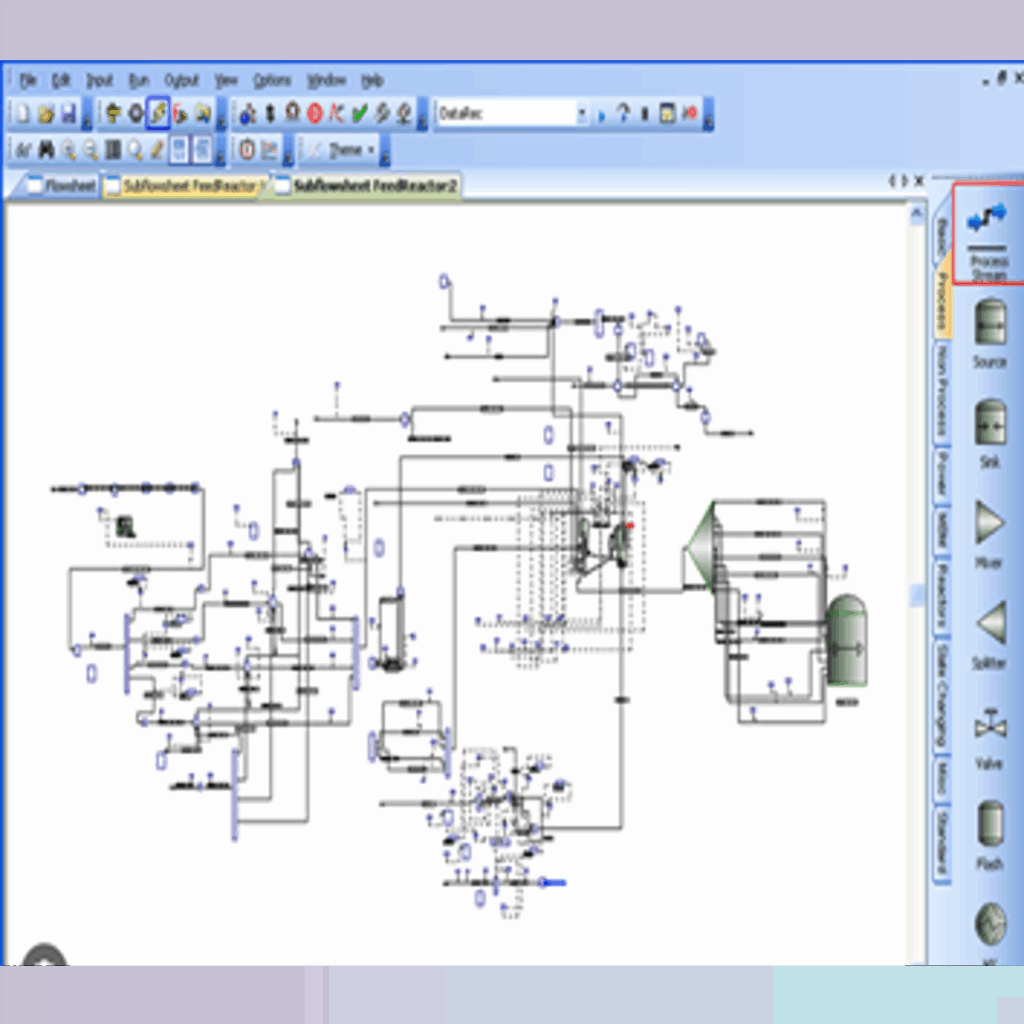
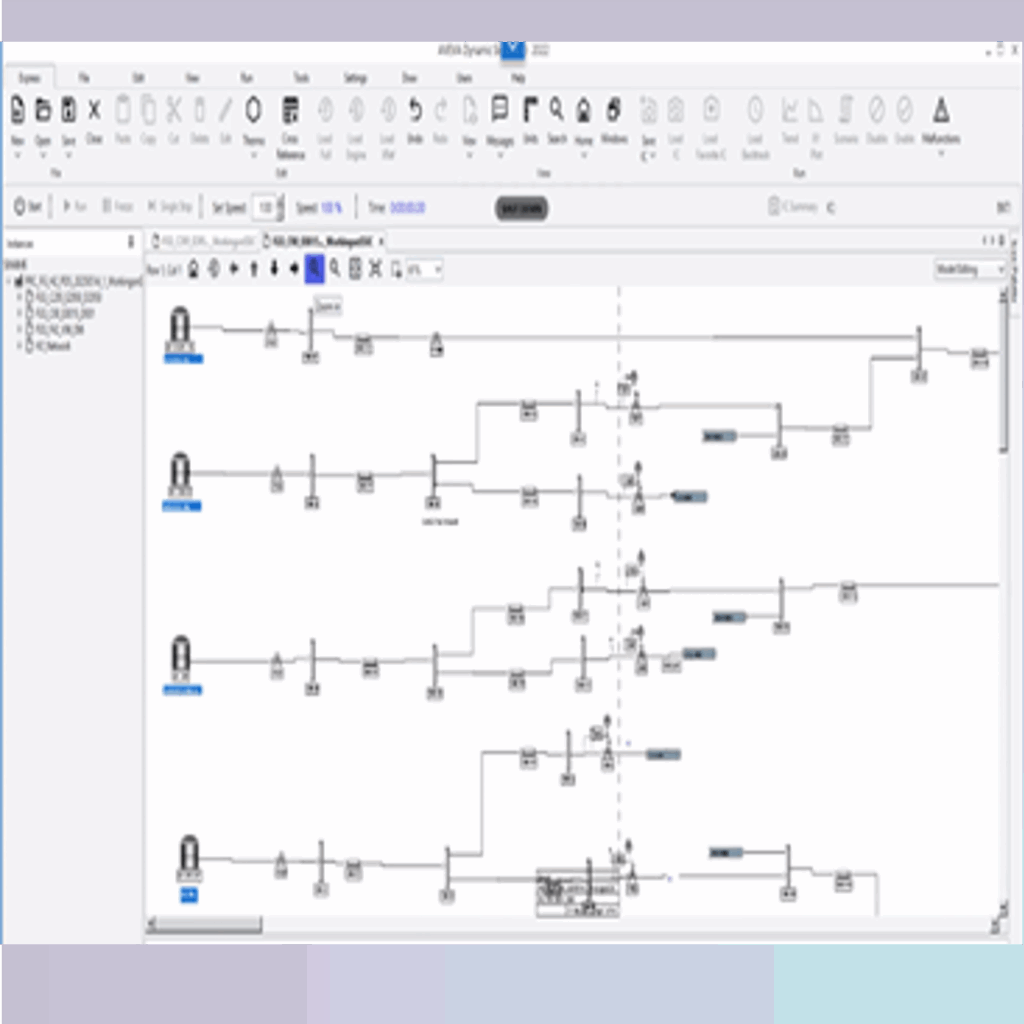
Built an integrated digital model of the fuel gas and H₂ network covering sources, headers, consumers, and pipelines
AI-assisted scenario analysis to evaluate blending ratios, routing strategies, and load changes in near real time
Dynamic simulation to study transient behavior, hydraulics, and network stability
Optimization engine to recommend optimal fuel mixing, routing, and dispatch while respecting safety and process constraints
What-if simulations for upset conditions, maintenance scenarios, and demand fluctuations
Realized Value
Reduced flaring by maximizing utilization of in-house off-gases and hydrogen
Lower liquid fuel consumption through optimized fuel gas blending
Improved fuel gas quality stability and molecular weight control
Early identification of network bottlenecks, improving reliability and control response
Faster, data-backed operational decisions with measurable energy cost savings